
Blogs
How Carding Machines Impact Yarn Quality & Production Speed
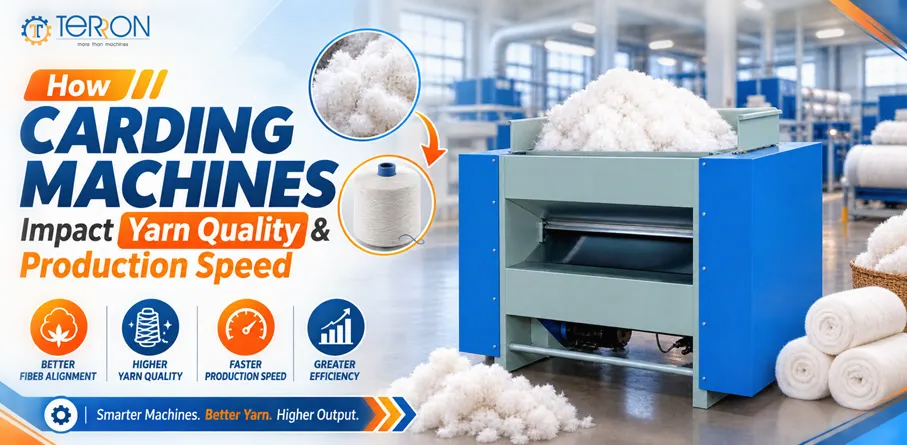
Carding is a very important step in the processing of fibres. It separates, aligns, and conditions the fibres for spinning. Proper design of the carding machine will help to generate more consistent fibre stock and prepare the material as per the desired count and length.
This has a direct effect on the uniformity of the material that is fed to the latter stages of spinning. Hence, effective carding can result in better quality yarn and better and smoother fibre processing in textile production processes.
Carding quality depends on the machine’s ability to deal with varying fibre lengths and to separate undesirable variations in the material. Terron India's fibre carding machine is developed for separating long and short fibres with great speed and purity.
Long fibres can go to the spinning drum line while shorter fibres can go to the sheet-producing line. This regulated separation organises the fibre stream for downstream processing and ensures uniform material handling.
How Carding Affects Production Rate?
Production efficiency is not only dependent on machine output, but also on the consistency with which fibres can be treated. A stable-running carding machine reduces interruptions by irregular material flow and allows for continuous output.
Terron India's carding machine for yarn includes an air blower and air pipes along with automatic lubrication to ensure smooth functioning. Its small construction also aims to simplify maintenance procedures during standard industrial use.
The machine configurations available might also be examined according to the processing demand. Terron India has multiple carding machine benefits and opening machines with different output capacities.
There are models for outputs of 125-150 kg/h, 250 kg/h, 300 kg/h and 400 kg/h. Also, some models incorporate automatic conveyor systems, overload prevention and reverse-drive facilities. These features can be used for material mobility and operation control during fibre processing.
Fibre Processing and Machine Design
In machine building, the maintenance of stable processing conditions plays a significant role. The Terron India textile carding machine is equipped with a carding surface of up to 15 square meters and has an oil tank, an air blower, and an air pipe.
Automatic lubrication is developed for efficient operation. The equipment is designed to keep the quality stable under diverse running circumstances. These design considerations can assist producers in keeping the fibre preparation consistent throughout the production process.
Conclusion
The quality of a carding machine made by a carding machine manufacturer is a factor that influences the uniformity of fibre preparation and the efficiency of textile production.
Carding equipment can help to make downstream processing smoother by efficiently separating fibres, promoting even preparation of material, and having attributes for stable operation.
If you are searching for fibre carding machines for your manufacturing needs, please contact Terron India to discuss the right machinery for your purpose.
Also read: Cotton Opener: Uses, Benefits, Working Principle & Buying Guid
Frequently Asked Questions (FAQ's)
What is the primary function of a fibre carding machine?
Carding the fibres into a stock of uniform thickness and preparing them to the length and count needed for spinning.
How can carding influence yarn quality?
Correctly carding the fibres provides a more regular preparation of the fibres, which might enable the next spinning operations to generate even quality.Â
What features can improve the functioning of a carding machine?
Automatic lubrication, air systems, overload protection, reverse drive, and automatic conveyors assist efficient and steady operation depending on the machine model.
TRENDING POST
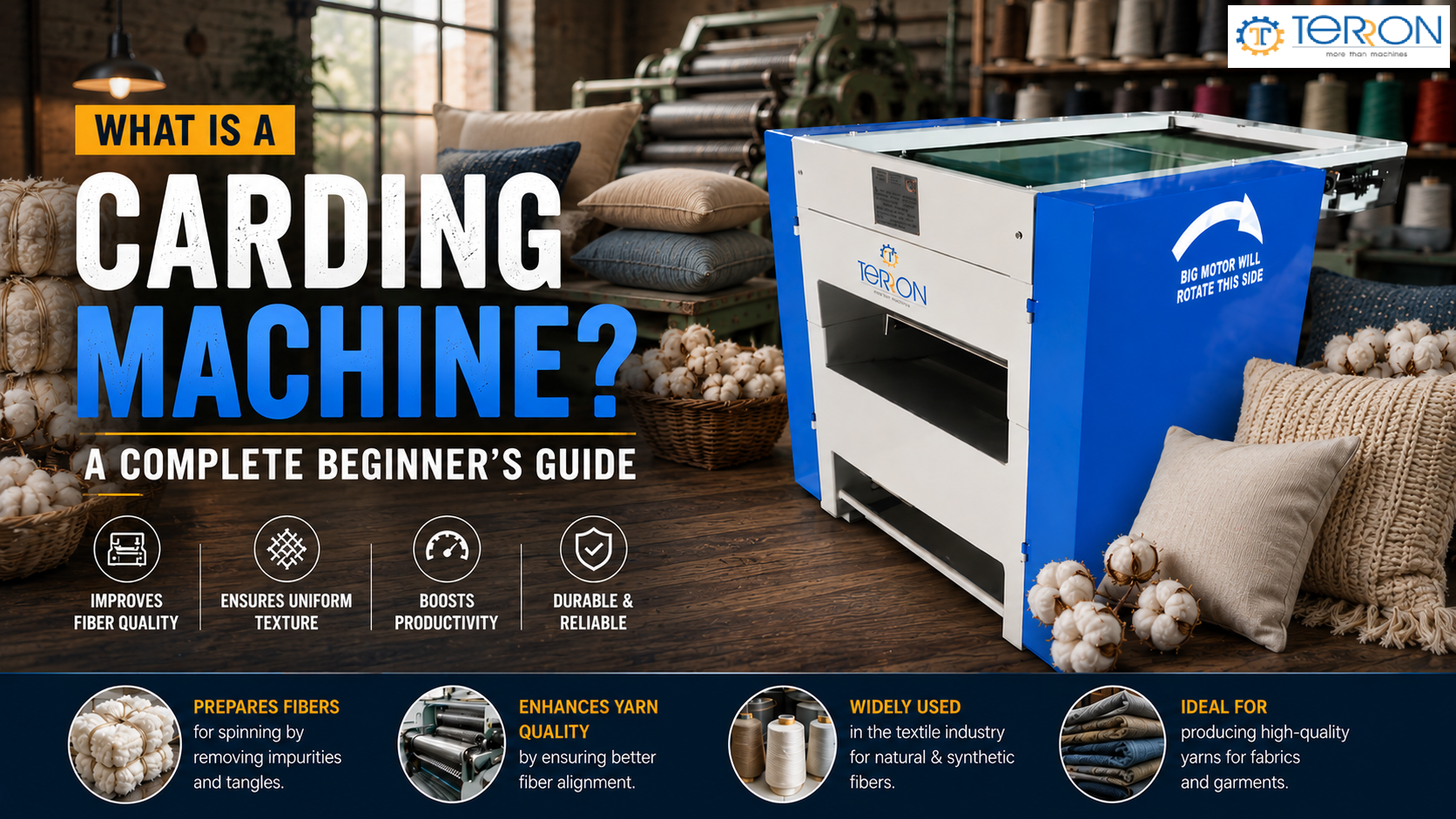
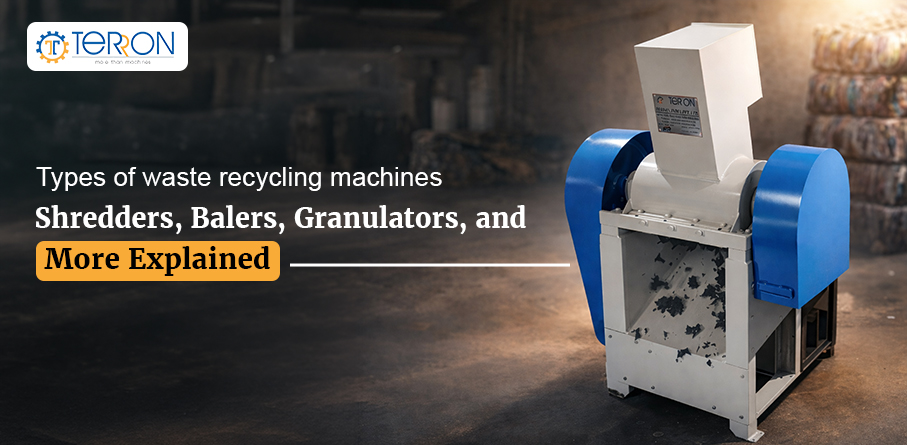
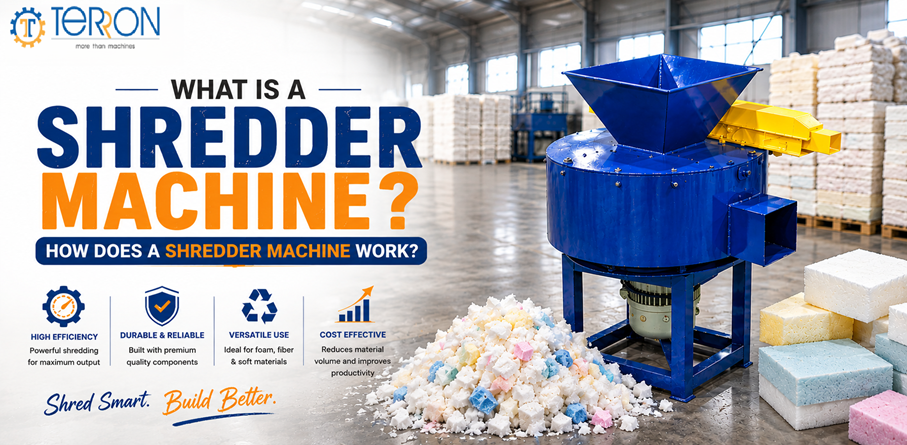
RECENT POSTS
NEWSLETTER
Subscribe my Newsletter for new blog posts. Stay updated from your inbox!

Leave a Comments