
Blogs
Best Recycling Machine for Garment Waste in Bangladesh: A Buyer’s Guide
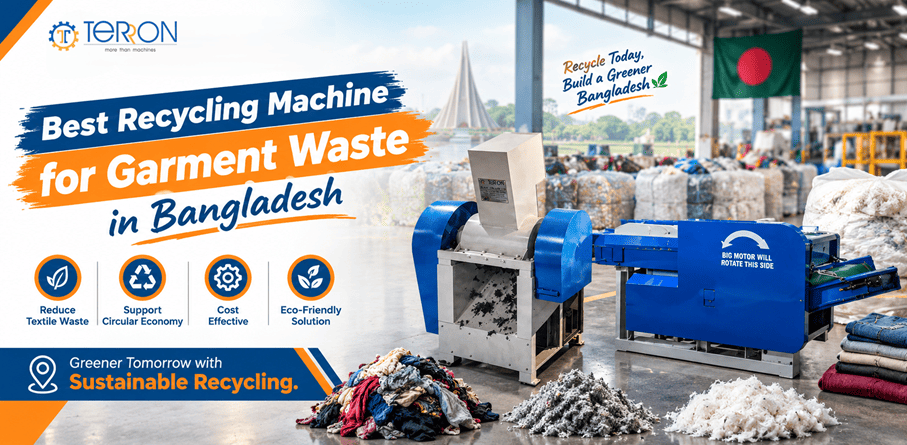
Bangladesh is one of the world’s leading garment exporters, stitching clothes for buyers across the globe. Every order leaves something behind on the cutting floor: offcuts, end-of-roll fabric, and yarn waste. Most factories sell it cheap and move on. A few turn it into fibre and earn more. The right textile waste recycling machine makes that jump possible.
Pick the wrong one, and you own a costly shredder that jams on denim. Pick the right one, and waste stops being a disposal problem. It becomes a revenue line. Here is how to choose the best recycling machine for your factory.
Why Garment Waste Needs a Machine, Not Just a Scrap Dealer
Cutting rooms create waste every shift. Patterns never use all the fabric, so offcuts pile up fast. Over a month, the heap becomes serious.
In Bangladesh, much of this cutting waste, known locally as jhut, goes to traders. It is usually sold mixed and by weight, at a low rate. The trader sorts it. The trader also keeps most of the margin.
A garment waste recycling machine changes that. It shreds or opens fabric into loose fibre. Clean fibre of a single material usually sells for more than a sack of mixed scraps. You also decide where your waste goes.
Outside pressure is growing too. Many international buyers now ask suppliers about waste handling and circularity. A working recycling process gives you something real to show during audits and buyer visits.
So the demand for a recycling machine in Bangladesh is not only about saving costs. It is about staying competitive in an industry that global buyers watch closely.
How Textile Waste Recycling Works
The process is simple in outline. Four steps cover most setups:
- Sort. Separate waste by fabric type and colour where possible.
- Shred. Cut large offcuts into small, even pieces.
- Open. Pull the pieces apart into loose fibre.
- Pack. Bale or bag the fibre for sale or reuse.
This is called mechanical recycling. It uses blades and rollers, not chemicals. That keeps the process easier to run and easier to maintain. The weak point is sorting. Poor sorting at step one lowers the quality of everything that follows.
The Main Types of Textile Recycling Machines
Not every machine does the same job. A complete textile recycling machine setup often combines two or three of the units below. You can see similar units in our range of recycling machines.
1. Fabric Shredder
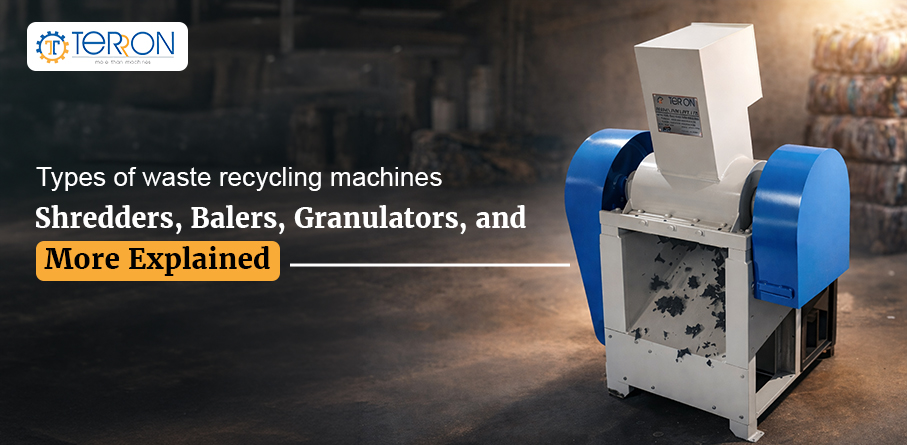
This is the first machine in most lines. Rotating blades cut large offcuts into small pieces. It suits knit and woven cutting waste. Heavy-duty models can handle thicker fabric such as denim.
Watch the blades. Dense fabric dulls them quickly. Ask about blade material and how easily blades can be replaced or re-sharpened.
2. Tearing and Opening Line
This unit turns shredded pieces into loose fibre. Cylinders fitted with pins or teeth pull the fabric apart. It is the core of most textile waste recycling machine lines.
The loose fibre can go into stuffing, nonwoven products, or blended yarn. Output quality depends on how well the line suits your fabric. A line set up for soft cotton knits may struggle with stiff woven cloth.
3. Baler
A baler does not recycle anything. It presses loose waste into tight bales. That saves storage space and cuts transport costs.
It suits factories that want to sell waste in a cleaner, easier-to-handle form. It also works well as a first step for small units that plan to add processing later.
4. Yarn and Thread Waste Opener
Spinning and knitting units produce yarn waste, thread ends, and soft waste. General shredders handle these poorly. A dedicated opener is built for the job and gives better fibre.
Most factories do not need all four machines. Start with the waste you produce most, then add units as volume grows. A good waste recycling machine supplier will ask about your waste before recommending anything.
Which Machine Suits Your Garment Waste?
The best recycling machine for garment waste in Bangladesh is the one matched to your fabric and volume. For most garment units, that means a shredder paired with a tearing and opening line. Smaller units can begin with a baler and add processing later.
Use this table to match machine to waste:
|
Waste type |
Suggested machine |
Common use of output |
Watch-out |
|
Knit cutting waste (T-shirts, polos) |
Shredder and opening line |
Stuffing, wipers, nonwovens |
Elastane blends are harder to process |
|
Woven cutting waste |
Heavy-duty shredder and opening line |
Fibre for blending |
Dense weaves strain blades |
|
Denim offcuts |
Heavy-duty shredder |
Fibre for blended products |
Fast blade wear |
|
Yarn and thread waste |
Yarn waste opener |
Stuffing, re-spinning |
Dust control |
|
Mixed, unsorted scrap |
Sort first, then shred, or bale to sell |
Depends on sorting |
Mixed fibres lower value |
If your waste is mixed, sort it first. Mixed fibres reduce the value of the output and put extra load on the machine.
7 Checks Before You Buy
Run through these before you sign any order.
- Know your waste and daily volume. Weigh your waste for one week. Note the fabric types and blends. Machine capacity is measured in kg per hour, so you need your own numbers first.
- Ask for real output. Capacity figures are often tested on easy material. Ask what the machine delivers on your fabric, not on a sample.
- Check the blades. Ask about blade material, expected life, and replacement cost. This is a running cost you will pay for years.
- Match power and space. Confirm motor power, voltage, and floor space. Check that your factory supply can handle the load.
- Look at dust and safety. Fibre dust is a fire and health risk. Ask about dust collection, guards and emergency stops.
- Confirm spares and service. Imported machines can sit idle for weeks while a part arrives. Ask how quickly spares and technical support can reach your factory.
- Get installation and training. Your operators must run the machine safely and keep it clean. Ask exactly what training comes with the machine.
A supplier who answers all seven clearly is usually one you can trust.
Keep Your Unit Safe and Compliant
Textile fibre burns easily, and fine dust hangs in the air. Treat both seriously.
Keep the area clean and free of loose fibre. Fit dust collection where the machine design allows it. Train operators to wear masks, gloves, and ear protection. Keep fire extinguishers close and clearly marked. Never let anyone clear a jam while the machine is running.
Environmental rules can apply to recycling units, depending on location and scale. Confirm your obligations with the Department of Environment or a qualified consultant before installation.
What Decides the Cost and the Return
There is no single price for a textile recycling machine. The cost depends on several things:
- Capacity, in kg per hour
- Number of stages in the line
- Level of automation
- Build quality and blade grade
- Freight, import duties and installation
Do not compare quotes on price alone. Compare capacity, warranty, spares, and service too. A cheaper machine that stops for a month costs more than a dearer one that keeps running.
For a simple return estimate, use your own figures in taka:
- Find the extra income per month. Take the price of your recycled fibre, subtract the price you now get for raw scrap, and multiply by monthly volume.
- Subtract monthly running costs: power, labour, blades, and maintenance.
- Divide the machine and setup cost by that monthly gain.
The result is your payback period in months. Keep the estimate cautious. Get at least two written quotes. Speak to your likely fibre buyers first, so you know the real selling rate before you invest.
Limits and Mistakes to Avoid
Mechanical recycling has limits. Know them before you invest.
Blends are harder. Cotton-polyester and elastane blends are difficult to separate by machine. Output is often lower grade.
Fibre gets shorter. Shredding and opening shorten the fibre. Recycled fibre is often blended with fresh fibre or used in lower-grade products such as stuffing, wipers and nonwovens.
These mistakes cost factories the most:
- Buying a machine before finding a buyer for the fibre
- Mixing waste types and colours
- Ignoring dust control
- Choosing on price alone
- Skipping a check of environmental rules for your site
A machine is one part of a system. Sorting, storage and a reliable buyer matter just as much.
A Simple 30-Day Plan to Get Started
You do not need to decide everything at once. Try this order:
- Week 1: Weigh your waste by fabric type for seven days.
- Week 2: Talk to two or three likely buyers of recycled fibre and note their quality needs.
- Week 3: Collect written quotes, using the seven checks above.
- Week 4: Ask suppliers to test or review a sample of your own waste, then compare the results.
This plan keeps the decision grounded in your own numbers, not a sales brochure.
Why Talk to Terron India Before You Decide
Choosing a machine is easier with a supplier who answers technical questions clearly. Terron India offers a range of recycling machines, and our team can help you match one to your waste.
Come prepared with three things: your fabric types, your daily waste volume, and your target output. With these, we can suggest a setup that fits your factory rather than a generic one.
Ask us the seven questions from the checklist above. A good supplier welcomes them.
Ready to start? See our recycling machines and send us your waste details for a recommendation.
Figures in this article are general guidance, not fixed prices or guarantees. Machine output, costs, and legal requirements vary by site, so confirm details with suppliers and the relevant authorities.
Frequently Asked Questions (FAQ's)
Can one machine handle both cotton and polyester?
Many lines can process both, but blends reduce output quality. Test your own fabric before you buy.
Is textile recycling profitable in Bangladesh?
It can be, if you have steady waste volume, controlled running costs, and a buyer for the fibre. Work out the payback with your own numbers.
How much does a textile recycling machine cost?
Price depends on capacity, stages, automation, and import costs. Ask for written quotes based on your waste details.
TRENDING POST
RECENT POSTS
Shredder Machine Price: 7 Factors That Affect Cost
Nov 02, 2026
NEWSLETTER
Subscribe my Newsletter for new blog posts. Stay updated from your inbox!

Leave a Comments